
Tag: Personal Information
-

Sharing Information in Situations Involving Intimate Partner Violence
The Information and Privacy Commissioner of Ontario (IPCO) has released new guidance to help institutions make informed decisions about privacy, confidentiality, and public safety in situations of intimate partner violence (IPV) risk.
-

Alternative Fee Systems for Publicly Available Information
A recent decision from the Information and Privacy Commissioner of Ontario makes it clear that in some cases, institutions can replace the standard FOI fee structure with a different fee structure better suited to the type of records requested.
-

Informal Requests
Institutions have an obligation to provide records in response to FOI requests; however, this does not prevent institutions from providing records or information without using the official FOI process.
-
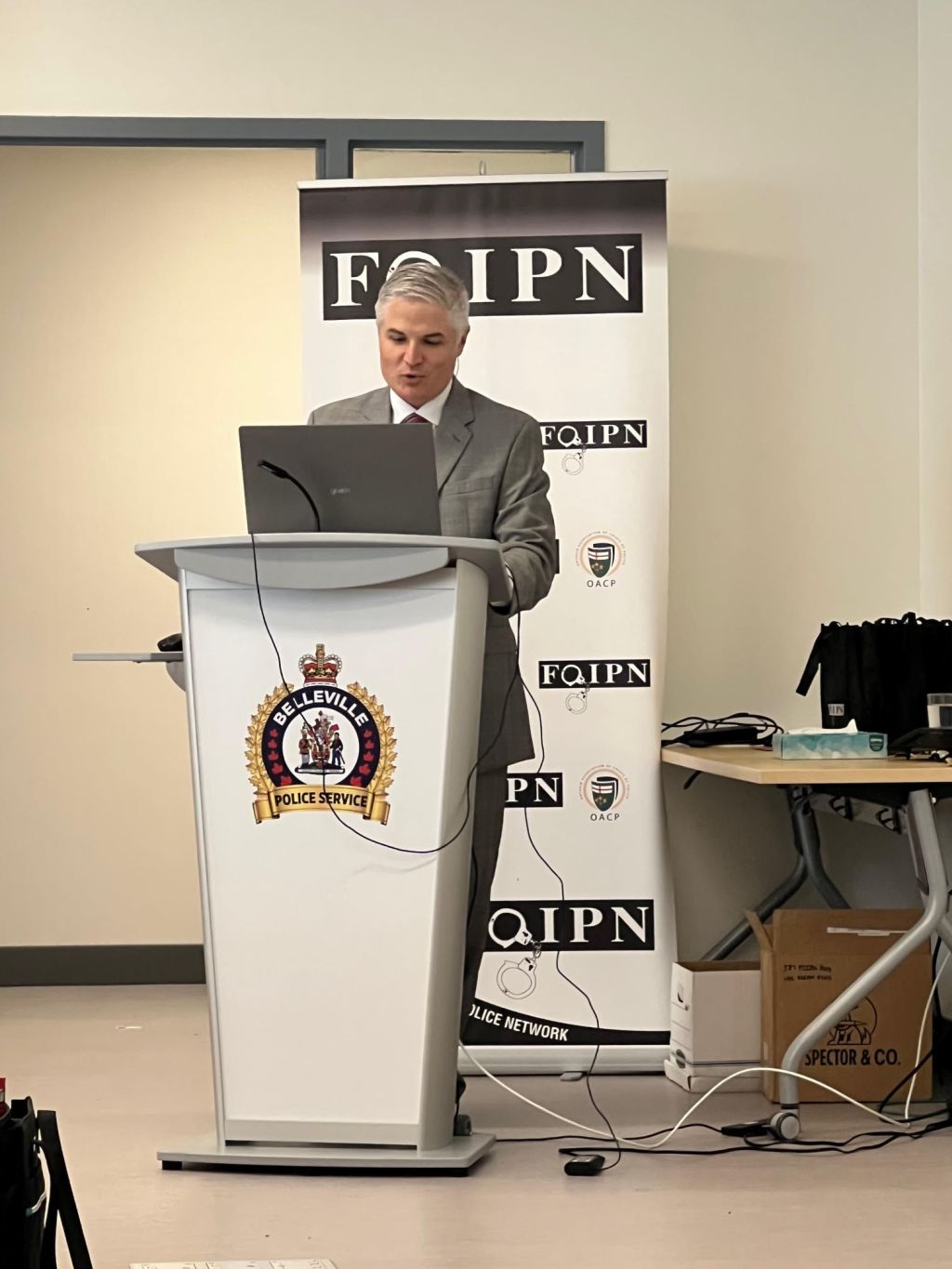
The Absurd Result Principle
It was a privilege to speak last week to all of the attendees of the Freedom of Information Police Network (FOIPN) Fall Conference at the Belleville Police Service Headquarters in Belleville, Ontario. I was asked to deliver a presentation on the Absurd Result Principle, a legal principle with a long history in the Canadian and…
-
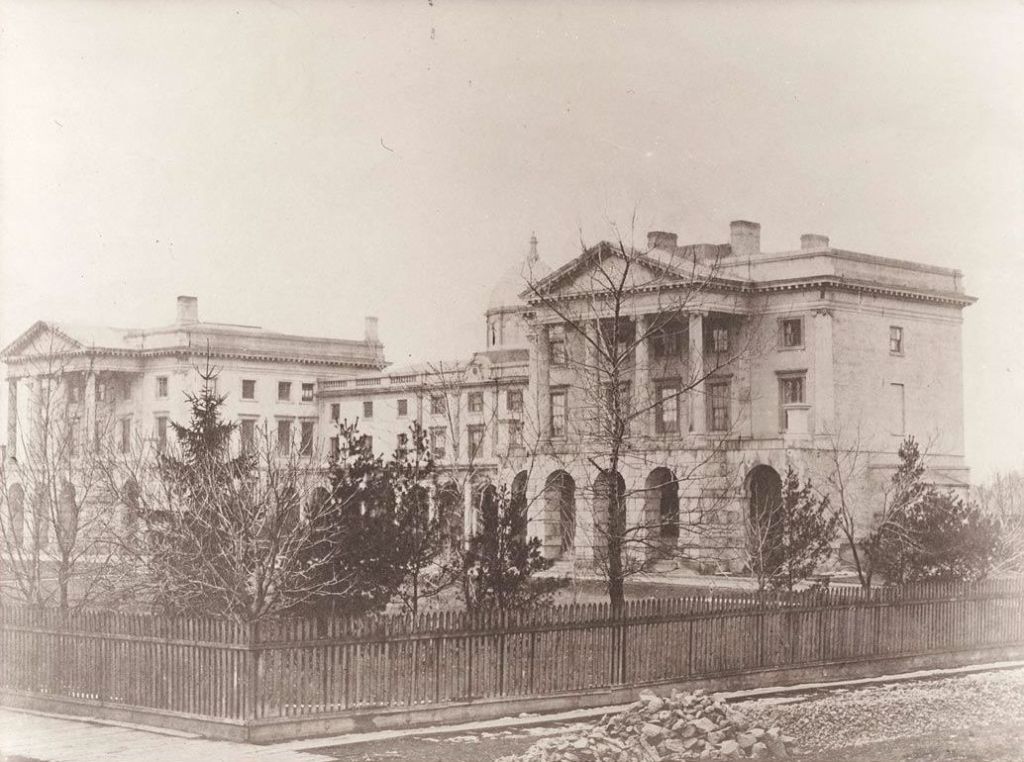
Public Employees’ Right of Privacy
Just in time for some “light summer reading”, on June 21, 2022, the Ontario Court of Appeal issued an interesting decision that may have implications for how institutions conduct searches in response to Freedom of Information (FOI) requests.
-

Third-Party Personal Information
When processing an FOI request for access to personal information, can the institution use FIPPA s.21(1) / MFIPPA s.14(1) to exempt third party personal information from disclosure? The short answer is “no”, but the slightly longer answer is, “not exactly”.
 FOI Assist Knowledge Base